
Standing Water Safety: The Hidden Dangers of Wading Through a Flooded Room
Call Now – (404) 900-3852
CALL US BEFORE CALLING YOUR INSURANCE COMPANY – Let us work directly with your insurance company to get your loss covered.
Wading into a flooded basement to salvage what you can feels like the right move until you realize what’s floating in the water with you. Tidal Wave Response provides dependable water removal and cleanup so you never have to step into standing water and gamble with your safety. Floodwater hides live electrical current, sewage, and sharp debris. A single step into it can turn a property loss into a trip to the ER. Read more, and you’ll learn what makes standing water so dangerous and why the smart move is to stay out and call for help.
The Risk of Live Electricity in Flooded Rooms
Water and electricity turn a flooded room into a conductor. If the power is still on and floodwater has reached an outlet, a submerged appliance, or a damaged wire, the entire pool can carry current. You won’t see it. You’ll step in, and the shock can stop your heart before you register what happened.
Turning off the breaker sounds like the fix, so people head for the panel. Here’s the catch. If the breaker box sits in the flooded area, reaching it means walking through the same charged water you’re trying to make safe. The utility company or a licensed electrician can disconnect power safely before anyone enters the flooded area. Assume every room is live until a professional confirms otherwise.
Bacteria and Sewage in Contaminated Water
Most flood damage involves category 2 or category 3 water. Category 3 is one that lands people in urgent care. It carries raw sewage, agricultural runoff, and bacteria like E. coli. A backed-up sewer line or an overflowing river pushes the contamination straight into your living space. Contact does the damage in a few different ways:
- Open cuts let bacteria into your bloodstream, which can trigger infections that need IV antibiotics.
- Splashes to your eyes, nose, or mouth transmit pathogens that cause vomiting and diarrhea.
- Skin exposure spreads rashes and other health conditions
Boots and gloves from the garage won’t seal you off. Professional crews wear rated protective suits, respirators, and gloves for a reason. Wading in with a mop puts contaminated water on your skin and tracks it through the rest of your home.
Hidden Debris and Sharp Objects
Murky floodwater hides everything below the surface. A broken jar, a displaced nail board, a shifted piece of furniture, or a dislodged floor grate waits under water you can’t see through. One step lands your foot on a rusty nail or a shard of glass, and now you have a puncture wound soaking in bacteria-heavy water.
Puncture wounds from flood debris come with a tetanus risk. A deep cut in category 3 water can develop a serious infection within hours. Currents move objects during a flood, so the layout you memorized last week no longer applies.
Restoration crews clear debris methodically and pump the room down before anyone walks the floor. They know the water masks trip hazards and drop-offs, including stairs that vanish under a foot of standing water. Staying out until the water removal is complete keeps your feet intact and your trip to the ER off the schedule.
How Quickly Mold Begins to Grow
Mold doesn’t wait for the water to recede. Spores settle into wet drywall, carpet padding, and framing within 24 to 48 hours. Once they take hold, they spread through every porous surface the water touched. A room that looks salvageable on day one can grow a colony behind the baseboards by day three.
Standing water accelerates the process. It keeps humidity near saturation, soaks materials deeper than surface drying can reach, and feeds spores the moisture they need to multiply. If damp insulation and subfloor stay wet long after the visible pool disappears, it gives mold a hidden reservoir to grow from.
Wiping down walls and running a household fan won’t stop it. Mold colonies release spores that trigger asthma attacks, allergic reactions, and respiratory infections. A heavy infestation can force you to gut and replace drywall, flooring, and insulation. The faster the water leaves, the smaller the demolition bill.
Why Professional Water Removal Keeps You Safe
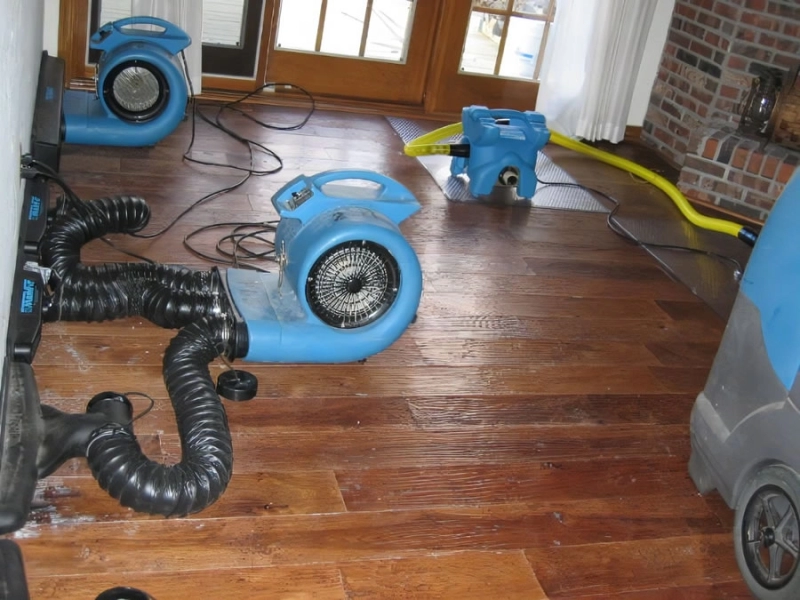
Every hazard in a flooded room shares one solution. Get the water out before anyone enters. Professional water damage restoration in Stone Mountain starts with an assessment that identifies electrical risks, contamination levels, and structural damage you can’t spot from the doorway. Crews can cut power safely, then extract water with truck-mounted pumps that clear hundreds of gallons. After extraction, the work switches to the following:
- Industrial air movers and dehumidifiers dry framing and subfloor to the moisture readings that stop mold.
- Antimicrobial treatment neutralizes the bacteria category 3 water leaves behind on every surface it touched.
- Moisture meters confirm walls and floors reached dry standards, so hidden dampness doesn’t rot the structure later.
Proper water damage restoration also protects your insurance claim. Documented moisture readings and photos give your adjuster the evidence they need, and waiting too long to call can let mold spread far enough to void coverage.
Did Your Home Flood?
Standing water isn’t a mess you should try to clean up alone. It’s a hazard that combines electrical shock, infection, and injury in a single incident. The safest response is to stay dry and let trained crews take care of the water removal. Tidal Wave Response arrives with the equipment, protective gear, and training to make your property safe again while you stay out of harm’s way. Call us now for water damage restoration and water removal you can count on.