
Can I Save My Wet Stuff? What to Keep and What to Toss
Call Now – (404) 900-3852
CALL US BEFORE CALLING YOUR INSURANCE COMPANY – Let us work directly with your insurance company to get your loss covered.
Standing in a soaked living room after a burst pipe and trying to figure out what’s salvageable is overwhelming. Everything you own is dripping at once, and the instinct is to save it all or throw it all out. Some items look ruined and can be fully restored. Others look fine and are already growing mold. At Tidal Wave Response, we walk homeowners through this triage process on water damage restoration jobs. Here’s how to sort through the aftermath category by category so nothing important gets tossed and nothing dangerous stays behind.
Why Timing Decides Everything
Mold spores start colonizing wet materials within 24 to 48 hours. That window isn’t a suggestion. The clock starts the moment water touches your stuff, not when you notice the damage or when the plumber leaves. Here are the early steps you can take to reduce damage:
- Shut off the water source
- Cut power to affected rooms if it’s safe to do so
- Pull small items to a dry space with airflow
- Prop up furniture legs on blocks to break contact with wet floors
- Photograph everything before you move it, since your insurer will ask
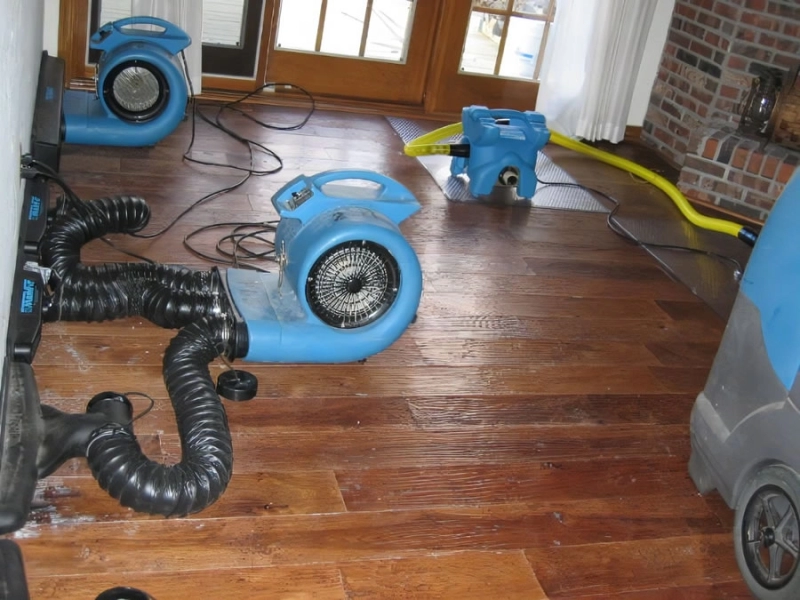
Professional water removal within the first day gives most items a fighting chance. If you wait three days, the list of salvageable belongings shrinks. The category of water is also important. Clean supply-line water buys you more time than a sewage backup, which contaminates porous materials on contact.
Furniture Made of Solid Wood vs. Particle Board
Solid wood furniture handles water surprisingly well. An oak dresser that sat in two inches of water for a day can usually be dried, sanded, and refinished back to usable condition. Look for white hazing, raised grain, or joint separation. All three can be repaired. The wood itself rarely fails unless it’s been submerged for days.
Particle board and MDF swell, crumble, and lose structural integrity once moisture penetrates the veneer. An IKEA bookshelf or bargain nightstand probably won’t come back, no matter how carefully you dry it. The glue binding the sawdust dissolves, and the panels warp into shapes that won’t hold weight.
Upholstered Pieces and Mold Risks
Sofas, chairs, and ottomans hide the worst mold problems in your house after a flood. The fabric might dry on the surface within a day, but the foam padding underneath holds moisture for weeks. The trapped water breeds mold inside the cushion, and you won’t smell it until it’s already spread through the frame.
Contaminated water changes the math. If it comes into contact with sewage, river water, or standing water, disposal is the safer call. Clean water gives you a window, but you’ll need commercial-grade drying equipment to pull moisture from the padding fast enough. Home fans and open windows won’t cut it.
Which Electronics Are Worth Testing vs. Replacing
Never plug in a wet electronic device to test whether it works. That’s a serious safety hazard. It could also fry the board and turn a repairable device into scrap. Shut down the power to everything the moment you spot water, and unplug devices if it’s safe to do so. You’ll need to let items dry for at least 72 hours before testing. Replace anything that made contact with contaminated water.
Small electronics like phones, tablets, and gaming consoles have decent chances of recovery if the water was clean and you cut the power quickly. Large appliances need a technician’s inspection before you trust them again. A washing machine or fridge that got soaked may run but have compromised wiring. Testing priorities look like this:
- Phones and Tablets: Dry thoroughly, then test on battery power first
- TVs and Computers: Bring to a repair shop for internal inspection
- Kitchen Appliances: Hire an electrician to verify safety before restoring power
Photos, Documents, and Sentimental Items
Photos that look destroyed can sometimes be recovered if you act within 48 hours. Remove debris, then lay them flat on paper towels or hang them from a clothesline with clips on the edges. Don’t blot the surface. You’ll lift the emulsion off the paper.
For documents, freezing buys you time. Slip wet papers into zip-top bags and put them in the freezer. This stops mold growth and ink bleed until you can dry each page individually. Books and photo albums benefit from the same trick. Professional document restoration services use freeze-drying chambers to recover materials that would otherwise be lost.
Clothing and Textiles With the Best Recovery Odds
Clothing has the highest recovery rate of any category on this list. Most fabrics handle water without permanent damage, and modern washing machines paired with the right detergent handle contamination that would ruin other materials. Wash items in the hottest water the fabric allows, run two cycles, and add a color-safe disinfectant on the second pass.
Wool, silk, and leather need different handling. Take these to a dry cleaner who has experience with flood recovery rather than trying to wash them at home. Leather, especially, will crack and stiffen if you air-dry it without conditioning. Rugs and carpets are the exception in this category. Wall-to-wall carpet that sat wet for more than 48 hours usually needs to go, since the pad underneath can hold mold.
Are You Worried About Water Damage?
When floodwater hits your home, sorting salvageable from ruined is a job that rewards experience. Call Tidal Wave Response for fast water removal and full water damage restoration that gives your belongings the best shot at recovery.