
Is Standing Water in Your Home Safe? Understanding Categories 1, 2, and 3 Water
Call Now – (404) 900-3852
CALL US BEFORE CALLING YOUR INSURANCE COMPANY – Let us work directly with your insurance company to get your loss covered.
The moment standing water appears in the house, safety becomes the biggest question. Whether it’s clean tap water, dirty runoff, or something worse determines what happens next. The team at Tidal Wave Response has seen every category of water damage there is, and we always start by figuring out what kind of water is in your home. Before you grab a mop or step into a puddle, this water damage restoration guide breaks down how the three categories differ, what the risks look like, and when it’s time to call for help.
What Water Damage Categories Mean
The restoration industry sorts standing water into three categories based on what’s floating in it and where it came from. Category 1 is clean, Category 2 is contaminated, and Category 3 is grossly contaminated. Each one demands a different response, different protective gear, and different drying methods.
Why does this matter to you? Because your insurance adjuster will ask, your contractor will ask, and the answer changes what can be saved. A wet couch from a broken supply line might dry out just fine. That same couch sitting in sewage backup heads to the curb. Categorizing the water correctly on day one protects your health and keeps your claim moving.
Getting the category wrong costs money. Homeowners who assume clean water stays clean sometimes wait days to call for help, and by then, the situation is far more expensive to fix.
Category 1 Water and Why It Still Needs Fast Action
Category 1 water comes from a sanitary source. Think of a burst pipe carrying tap water, an overflowing sink with no soap or debris, or a leaking water supply line behind the fridge. This water poses no immediate threat if you touch it, and it doesn’t carry harmful microbes when it first escapes.
That doesn’t mean you can ignore it. Clean water still soaks into drywall, warps hardwood floors, swells baseboards, and slips under laminate to rot the subfloor beneath. Standing water on carpet padding creates the perfect environment for mold within 24 to 48 hours. Here’s what needs to happen fast with Category 1:
- Shut off the source at the valve or main
- Extract the water with a wet vac or pump
- Pull up saturated carpet padding and lift furniture off wet flooring
- Set up fans and dehumidifiers to drop the moisture level
Category 2 Water and the Contamination You Can’t See
Category 2 water contains contaminants and can cause illness if swallowed or comes into contact with broken skin. This is the middle tier, sometimes called gray water. Common sources include dishwasher and washing machine discharge, toilet overflow that contains urine but no solid waste, and water from aquariums or waterbeds.
The tricky part is that Category 2 water looks almost identical to Category 1 in many cases. A leak from your washing machine drain hose might look like clear water on the tile, but it carries detergent residue, bacteria from dirty laundry, and organic matter that feeds microbial growth. Walking through it in socks or letting pets lap at it puts your household at risk of gastrointestinal illness, skin infections, and respiratory irritation from bacteria going airborne as the water dries.
Restoration crews handling Category 2 wear gloves and boots at minimum, use antimicrobial treatments during drying, and dispose of porous materials that can’t be sanitized. Insulation, particleboard, and carpet padding usually come out. Solid wood and tile can be cleaned and saved.
Category 3 Water and the Risks to Your Family
Category 3 water is grossly contaminated and dangerous to human health. Sewage backups, flooding from rivers or storm surge, toilet overflow containing solid waste, and standing water that has sat long enough to grow bacterial colonies all qualify. This category is sometimes called black water.
Category 3 could carry pathogens like E. coli, Salmonella, and Giardia, along with pesticides, heavy metals, and chemical runoff picked up along the way. Direct contact can cause serious infections. Breathing the air near it exposes you to aerosolized bacteria. Children, elderly family members, pregnant women, and anyone immunocompromised should leave the affected area until professional cleanup wraps up.
Handling Category 3 requires full personal protective equipment, containment barriers, HEPA-filtered air scrubbers, and complete removal of porous materials that touched the water. Drywall gets cut out at least two feet above the waterline. Carpet, padding, and upholstered furniture that made contact with the floor go to the landfill.
How Clean Water Degrades Into Higher Categories
A clean pipe burst that sits for 48 hours picks up contamination from dust, dirt, pet dander, chemical residues on flooring, and microbes already living in your home’s crevices. The IICRC generally considers water that sits untreated for 48 to 72 hours to have downgraded into Category 2 or worse.
Warm rooms and humid air create ideal breeding conditions for bacteria and mold spores, and a summer flood degrades faster than a winter one. Water that seeps into wall cavities or under cabinets stays warm and dark, which quickly raises contamination levels even when the surface looks dry.
When to Handle It Yourself and When to Call a Pro
Small Category 1 spills from a known clean source are manageable with basic equipment. If you can identify the leak, stop it within minutes, and the affected area is under 10 square feet on a hard surface, a wet vac and fans will handle it. Bathroom sink overflows caught quickly fall into this category. Call a professional when any of these apply:
- The water source is unknown or the water sat for more than 24 hours
- Category 2 or Category 3 water is involved
- Water has reached drywall, insulation, or subflooring
- Affected areas exceed 10 square feet or span multiple rooms
- Anyone in the household has respiratory conditions or a weakened immune system
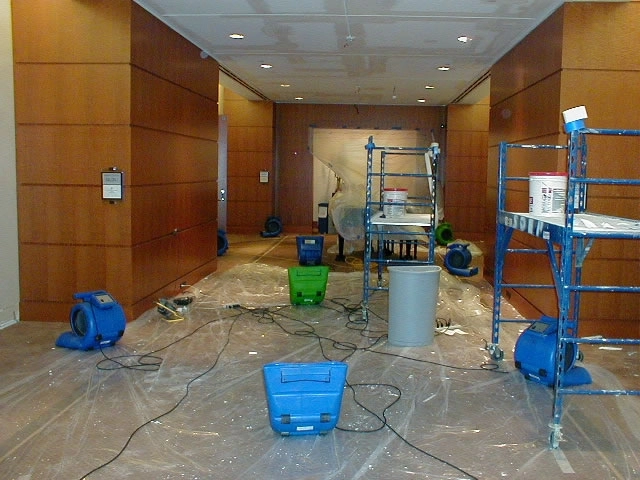
Professional water removal in Norcross, GA crews arrive with truck-mounted extractors, moisture meters, thermal cameras, and industrial dehumidifiers that pull far more moisture than rental equipment. They document everything for your insurance claim and treat contaminated areas with EPA-registered antimicrobials.
Do You Need Professional Water Damage Restoration Services?
If standing water has appeared in your home, call Tidal Wave Response today. Our crews respond quickly, assess the category on-site, and start water removal before the damage spreads further.